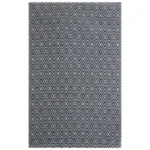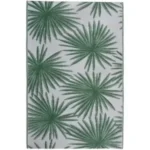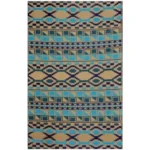
Patios take a lot of daily wear. Soil from shoes, pollen, leaves and the occasional spill all end up on the rug. That is why patterned outdoor rugs usually outsell plain ones, and why a geometric outdoor rug is often the most practical pattern a retailer can offer.
This guide explains why geometric designs hold up well on busy patios, which styles are worth comparing, and what to check so the pattern stays consistent across bulk production.
Why patterned rugs outsell plain ones outdoors
A plain light rug shows every mark. A patterned rug breaks up the surface, so small stains and scuffs are far less noticeable. For shoppers who want an outdoor space that looks tidy without constant cleaning, that practical benefit matters as much as style.
Pattern also adds visual interest to a space that often has limited decor. A well-chosen design can make a deck, balcony or covered patio feel planned instead of bare. For retailers, this means patterned ranges are easier to merchandise and easier to explain to customers.
Geometric designs sit at the centre of this trend. Their repeating shapes are consistent, easy to scale and work with many furniture styles. You can view current geometric outdoor rug options to see the range of patterns available.
Geometric styles to compare: trellis, stripe, diamond, Moroccan-inspired
These four directions cover most geometric demand:
- Trellis pattern rug. An interlocking lattice shape that feels classic and works across both traditional and modern spaces. It hides dirt well because the lines break up the surface.
- Striped outdoor rug. A simple, versatile choice. Stripes suit narrow spaces and entryways, and they work well in black and white or in softer neutral tones.
- Diamond patterns. A bolder repeat that gives a contemporary look. Diamonds in two or three tones balance style with practicality.
- Moroccan-inspired designs. Layered shapes and softly worn effects add warmth and character. If your customers like global styles, take a look at how kilim-style patterns perform outdoors.
Most ranges are strongest when they combine two or three of these directions rather than relying on only one.
How pattern scale and colour affect dirt, wear and perceived size
The way a pattern is scaled and coloured changes how it performs in daily use.
- Small to medium repeats are best at hiding dust and footprints. A very large pattern can leave patches of plain colour where dirt shows.
- Mid-tone colours hide soil better than very light or very dark shades. Pale cream shows mud, while deep black can show dust and pollen.
- Two-tone contrast works well in a black and white outdoor rug. The contrast hides marks, though bold stripes can feel busy in a small space.
- Perceived size depends on the pattern. Light, open geometric designs can help a small patio look more spacious, while dense, dark patterns can make a space feel tighter.
A flat weave rug is also easy to sweep and hose off, which pairs well with a pattern that is already good at hiding dirt. For areas with heavy foot traffic, a high-traffic outdoor mat with a tight weave and a medium-scale repeat tends to look good for longer.
Colour palettes that suit US homes
US patio spaces vary widely, from compact balconies to large decks, so a range needs palettes that work in several settings:
- Neutrals such as ivory, grey, sand and charcoal suit most furniture and are the safest base for a collection.
- Black and white is a consistent seller and works well with both modern and coastal looks.
- Soft blues and greens connect well with garden and poolside settings.
- Warm accents such as terracotta and mustard add variety for shoppers who want more character.
For ideas on where the market is moving, the notes on interior and design trends are a useful starting point for choosing palettes each season.
Keeping pattern and colour consistent across bulk production
A pattern that looks right on one sample can drift when it is produced in volume. Lines can shift, stripes can change in width and colours can vary slightly between batches.
To reduce that risk when working with an outdoor rug manufacturer:
- Approve a physical sample, not only a digital image.
- Agree on the colour references and acceptable tolerance in writing.
- Ask how the pattern is controlled during production, especially on stripes and repeats.
- Request a pre-shipment check or photos before dispatch.
- Keep an approved sample on file so later orders can be compared against it.
If you are comparing suppliers, it also helps to look for a reversible outdoor rug manufacturer that can offer different patterns on each side, since reversible designs give customers more value from a single rug.
Conclusion
Geometric outdoor rugs sell because they look good and hide dirt well. Trellis, stripe, diamond and Moroccan-inspired designs cover most customer tastes, and a medium-scale pattern in a mid-tone palette is usually the most forgiving on busy patios. The final step is making sure the pattern and colour stay consistent from sample to bulk run.
FAQs
What pattern hides dirt best on an outdoor rug?
Small to medium geometric repeats in mid-tone colours tend to hide dirt best. Trellis and striped designs are strong choices because the repeating lines break up the surface.
Do geometric rugs make a small patio look bigger?
They can. Light, open patterns in neutral tones often make a small space feel more spacious, while dense dark patterns can make it feel tighter.
Are geometric prints suitable for high-traffic areas?
Yes. A geometric pattern on a tight flat weave is a practical choice for entryways and busy patios because it hides marks and is easy to clean.
Can colours be matched to a retailer’s palette?
Often, yes. Manufacturers can usually work from colour references and approve samples before production. Agree on the reference and an acceptable tolerance before the bulk run starts.