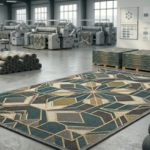
Introduction to Picnic Mats as a Year-Round Retail Category
Ask most people when they buy a picnic mat and they will say summer. Ask a retail buyer when picnic mats actually sell, and the answer is much wider. Park days, music festivals, campsites, beach trips, school outings and outdoor events all keep the category moving well past the hot months.
There is one thing that trips up a lot of shoppers, and buyers too. Search results and shelves mix two different products: the woven picnic mat and the padded picnic blanket. A blanket is usually soft, fleece-topped or quilted, with a waterproof backing. A woven mat is flatter, lighter and more breathable, and it shrugs off sand, grass and spills without fuss. They suit different customers, and knowing the difference helps you stock the right one.
This guide is for buyers putting together next season’s range. It compares materials, looks at sizing and range planning, and covers what to ask a manufacturer before you commit to a big order.
Picnic Mats Materials Compared for Wholesale Ranges
The material decides almost everything about how a picnic mat behaves, so it is the first thing to get right. These are the options you will see most often:
- Woven polypropylene: light, quick drying and breathable, with a flat surface that sand slides off.
- Nylon: strong and resistant to wear, which is why it is common on rougher ground and beaches. Thinner, lower-grade nylon tends to wear out quickly with regular use.
- PEVA-backed blankets: an affordable waterproof backing that is free of PVC. Common on padded blankets.
- Recycled PET: an eco-minded option, but it depends heavily on how it is finished and certified.
Each one delivers something different on sand-shedding, drying time and breathability. Woven polypropylene tends to do well on all three, which is a big part of why it suits picnic use.
Be careful with the words on the label. “Waterproof” and “water-resistant” are used loosely, and a mat that passes a quick test can still let damp in after an hour on wet grass. Instead of accepting the claim, ask for the test method or try a sample yourself. Put it on damp ground, leave a cold drink on it and check the underside afterwards.
Why Polypropylene Mat and PP Mat Construction Suits Picnic Use
A polypropylene mat has a few natural strengths that line up with what people want from a picnic mat.
It is light and easy to clean. A quick rinse and a shake is usually enough. Because the material does not soak up water, it dries fast and resists mildew, even after a day on damp grass or a wet beach.
It folds and rolls well. A good PP mat can be folded into a bag or rolled up with a strap, and many come with a carry handle. That makes it easy to toss in a car boot or a backpack.
It holds its colour. Picnic mats spend most of their lives in strong sun, so colourfastness matters. Ask about fade resistance and look at how a sample looks after repeated outdoor exposure.
For a closer look at why this material works so well for travel, camping and the beach, see our post on why polypropylene mats suit camping, beaches and travel.
Picnic Mat Sizes and Range Planning for Retail Channels
Size is where many ranges quietly go wrong. A simple way to think about it is seating capacity. As a rough guide, allow about 20 by 20 inches per person. On that basis, a mat around 60 by 80 inches seats three people comfortably, and an 80 by 80 inch mat seats four to five.
Most ranges do best with a spread of formats:
- Single: for solo use, festivals and quick stops.
- Couple: the classic size for parks and date-day picnics.
- Family: a bigger mat with room for food, bags and children.
- Group: a large format for gatherings and events.
Price points matter too. A compact carry-along mat is cheap to buy and easy to impulse-purchase. A full-size mat costs more and feels like a proper outdoor product. Offering both lets you catch the casual buyer and the regular picnicker.
Finally, think about where the mat will be sold. Supermarkets, outdoor specialists and online sellers all have different shoppers. Supermarkets tend to like simple, cheerful patterns and easy price points. Outdoor specialists lean toward practical colours and durable builds. Online sellers benefit from designs that photograph well. Plan your patterns and colours with those channels in mind rather than sending one assortment everywhere.
Camping Mat Manufacturer and Mat Manufacturer for Retail Chains Requirements
Selling to a retail chain is a different game from selling to a single shop. The order is bigger, the standards are stricter and the same product has to look identical in every store. A camping mat manufacturer that also supplies chains should be able to show three things.
Consistency. Colour and quality should stay steady across repeat orders and across many stores. If the second shipment looks different from the first, shoppers notice and chain buyers lose patience.
Retail-ready packing. Chains often want mats delivered ready for the shelf. That can mean barcodes, header cards, polybags or carry bags. Sorting this out at the start avoids expensive repacking later.
Private label and custom prints. Many chain buyers want their own brand and their own designs. Ask how a private label order works and what it takes to develop a custom print.
If you are looking for a mat manufacturer for retail chains, it helps to ask for examples of chain supply the manufacturer already handles. It tells you a lot about how they run their operation.
Eco Mat Manufacturer India Options for Recycled Picnic Mats
Recycled products are moving from a nice extra to something retailers expect, especially in Europe and the US. If you want a recycled picnic mat, an eco mat manufacturer India offers a good place to start.
Recycled polypropylene picnic mats are the obvious route, but the label alone is not enough. Ask for the certification documents that back it up. A common one is GRS, the Global Recycled Standard, which verifies recycled content along the supply chain.
There is a big difference between verified recycled content and a general “eco-friendly” claim. The first can be checked. The second often cannot. Retailers in the US and Europe increasingly ask for proof, so having the documents ready can make it easier to win and keep a listing.
Conclusion: Choosing Picnic Mats That Perform Season After Season
Picnic mats built from woven polypropylene combine low weight, quick drying and easy care, which makes them a dependable addition to any outdoor range. They are simple, practical and suited to almost any outdoor occasion.
When you compare suppliers, look past the headline claims. Verified material details and honest sample checks matter more than a bold waterproof label. Test the mat on damp ground, fold it a few times and see how it holds up.
A manufacturer that already serves retail chains can also help you keep supply steady from one season to the next. That consistency is what turns a good first order into a range you can rely on.
FAQs
1.What are the best picnic mats for wholesale ranges?
Woven polypropylene picnic mats are a strong choice. They are lightweight, quick drying and easy to rinse clean.
2.How is a picnic mat different from a picnic blanket?
Picnic mats are usually woven and breathable. Blankets are typically padded or fleece-topped, with a waterproof backing.
3.What should a mat manufacturer for retail chains provide?
Look for consistent quality across production lots, retail-ready packing and support for private label and custom prints.
4.Are recycled picnic mats available from India?
Yes. An eco mat manufacturer in India that buyers can trust should share recycled content documentation, such as GRS, on request.