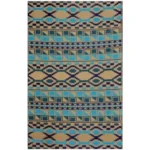
Most retailers and brands reach a point where catalogue designs are no longer enough. They want a mat that carries their own pattern, palette or brand look. Custom floor mats make that possible, but the process is different from buying a standard product, and a few early decisions can save weeks later.
This guide walks through how a custom run works, from the first artwork file to bulk dispatch, so you know what to prepare and what to ask before you start.
What “custom” can mean: size, colour, pattern, packaging
The word custom covers more than one thing, and it helps to be clear on which type you need before contacting a manufacturer.
- Custom size. Mats cut or woven to specific dimensions for a product line, doorway or space.
- Custom colour. A standard pattern produced in your own colourways.
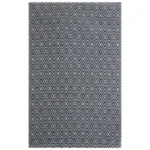
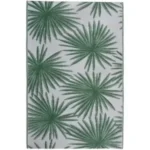
- Custom pattern. A new design created from your artwork, including custom design mats built around your brand or a seasonal theme.
- Custom packaging. Your own labels, hang tags, barcodes or retail-ready packing.
Many orders combine two or more of these. Each change adds steps to sampling, so the more you customise, the more important it is to agree on details early. A reliable custom mats manufacturer will explain which options are simple and which need extra development time.
Step by step: artwork, sample approval, bulk run, dispatch
The exact process varies by supplier, but most custom runs follow the same path.
- Share your artwork. Send the design with size, colour references and any notes on use, such as indoor, outdoor or entrance mat.
- Receive a design review. The manufacturer checks whether the pattern can be woven, how fine the detail can be and whether any lines or colours need adjusting.
- Approve a sample. A physical sample is made so you can check colour, pattern accuracy, size and feel. Changes are made here, before the bulk run.
- Confirm the order. Quantities, delivery dates, packaging and payment terms are agreed in writing.
- Run bulk production. The mats are made to the approved sample, with quality checks during and after production.
- Pack and dispatch. Mats are packed to your specification and shipped, with documents ready for your freight or customs process.
What decides whether this goes smoothly is usually the sample stage. Treat the approved sample as the reference for everything that follows. If your brand also needs logos on mats, see how brands handle logo mat orders for hotels, events and retail chains.
Colour matching and pattern accuracy on woven mats
Woven mats are not printed paper, so a design does not transfer exactly as it appears on a screen. Yarn colour, weave structure and pile height all affect the final look.
To get close to your intended result:
- Provide colour references. A Pantone code, a physical swatch or an existing product is far more reliable than a screen colour.
- Keep the artwork simple where possible. Clean shapes and a limited colour count usually reproduce more accurately than fine gradients.
- Expect a close match, not a perfect one. Yarn will not always match a printed reference exactly, so approve the physical sample rather than relying on a colour code alone.
- Check fine details. Thin lines and small text can lose sharpness in a woven structure. Ask the manufacturer how small the detail can be.
If you are building a range around your own look, you can also review existing custom design mats to see which patterns and weaves already work well in production.
MOQs, sampling and lead times to expect
These are the points that most often surprise first-time custom buyers.
- Minimum order quantity. Custom orders usually have a higher minimum than catalogue items because the manufacturer sets up a specific design. The minimum can depend on design, size and number of colours, so ask for it in writing.
- Sampling. Sampling takes time and may involve more than one round if colour or pattern needs adjusting. Ask how many sample rounds are included and whether samples are charged.
- Lead time. Lead time depends on design complexity, quantity and current production load. Ask for a written timeline that separates sampling, bulk production and shipping.
- Repeat orders. If you expect to reorder, ask whether the approved design and colour references will be kept on file.
If your plan includes selling the mats under your own brand, a supplier experienced in private label supply can advise on packaging, labelling and range planning as well.
Conclusion
Ordering custom floor mats is manageable when you know the steps. Decide what kind of custom you need, share clear artwork with colour references, treat the approved sample as the standard for bulk production, and confirm minimum quantities and timelines before you commit. A little preparation at the start prevents most delays and disappointments later.
FAQs
What is the minimum order for custom mats?
It depends on the design, size and number of colours, and it is usually higher than for catalogue products. Ask the manufacturer for the minimum in writing before you finalise artwork.
How long does custom sampling take?
Sampling time varies with design complexity and how many revisions are needed. Ask for a written timeline that covers each sample round, and allow extra time if you are matching colours closely.
Can a manufacturer match a Pantone colour?
Many manufacturers can work towards a Pantone reference, but yarn colour often comes close rather than matching exactly. Approve a physical sample to confirm the result before bulk production.
What artwork format do manufacturers need?
Vector files such as AI, EPS or PDF are generally preferred, with high-resolution images as an alternative. Include size, colour references and any notes on the intended use. Confirm the preferred format with your manufacturer.