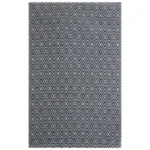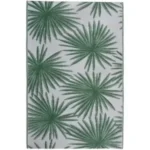
US retailers and distributors have been sourcing floor coverings from India for years, and polypropylene mats and outdoor rugs are a growing part of that trade. For an importer, the appeal is clear: a wide range of designs, large production capacity and competitive pricing for bulk orders. The risk is just as clear. A first order from a new supplier needs more checking than a repeat order from a known one.
This guide covers what US importers should look at before placing a first order with a polypropylene mat exporter in India.
Why US retailers and distributors source mats from India
India has a long tradition of weaving and a strong manufacturing base for polypropylene products. US buyers who source mats here usually do so for a few reasons:
- Range of designs. Suppliers can offer many patterns, sizes and colours, from simple stripes to detailed florals and geometrics.
- Capacity for bulk orders. Established factories can handle wholesale volumes and repeat orders.
- Customisation. Many exporters can adjust sizes, colourways and packaging for US retail needs.
- Material suited to outdoor use. Polypropylene resists moisture, dries quickly and suits patios, entrances and camping use.
For a closer look at what global buyers value in this category, read about why buyers trust Indian exporters as a polypropylene mat exporter to USA.
Supplier checks: certifications, samples and factory capacity
Before a first order, build a short checklist for every supplier you consider.
- Certifications. Ask which certifications the manufacturer holds and request copies. You can see what Sapana Mats lists on its certifications page as an example of what to look for.
- Samples. Request physical samples of the exact product you plan to buy. Check weave, colour, size, edge finish and feel.
- Factory capacity. Ask about production capacity, how orders are scheduled and whether they can handle your quantity in your timeframe.
- Experience with US orders. A supplier that already ships to the US will usually understand sizing preferences, packaging and documentation better.
- References. Where possible, ask for details of other export markets or buyer feedback.
If you are comparing options for a wholesale outdoor rug supplier USA buyers can rely on, look at the range offered through the wholesale outdoor rug supplier USA page, which covers outdoor rugs and camping mats for bulk buyers.
Typical order flow, from sample to shipment
Most first orders follow a similar sequence:
- Enquiry and product selection. You share the product type, sizes, colours and estimated quantities.
- Quotation and terms. The supplier provides pricing, minimum quantities, payment terms and expected timelines.
- Sample approval. You review a sample and request any changes.
- Order confirmation. Specifications, quantities, packaging and delivery dates are confirmed in writing.
- Production. The mats are made to the approved sample with checks during production.
- Pre-shipment inspection. Quality is checked before goods leave the factory.
- Container loading and shipping. Goods are packed, loaded and shipped to a US port.
- Delivery and clearance. Your freight partner and customs broker handle clearance and delivery to your warehouse.
Ask the supplier to confirm each stage in writing, so there are no surprises on dates or responsibilities.
Quality control and documents to request before dispatch
Strong quality control protects your first order from avoidable problems.
- Pre-shipment checks. Ask what is inspected, such as size, colour, weave quality, edges and packaging, and request photos or an inspection report.
- Compliance documents. Ask which documents the supplier provides and confirm whether your product needs any specific testing or labelling for US sale. A licensed customs broker can confirm current US import requirements.
- Shipping documents. These typically include a commercial invoice, packing list and bill of lading, and may include other paperwork depending on the product and route.
- Container loading. Ask how goods are packed and loaded to reduce crushing, moisture and damage during transit.
For background on what this involves on the export side, see the notes on export compliance. Always verify current customs and import rules with official sources or a licensed professional before you ship.
Planning lead times around US retail seasons
Import timelines are easier to manage when you plan backwards from the date products need to be on shelf.
- Start with your floor-set date. For outdoor rugs, that is often well before spring and summer.
- Allow for each stage. Add time for sampling, production, pre-shipment checks, ocean transit, customs clearance and delivery to your warehouse.
- Build in a buffer. Port congestion, weather and holidays can add delays that are hard to predict.
- Plan repeat orders early. If a design sells well, you will want to reorder before stock runs out. Ask the supplier how quickly repeat orders can be produced.
- Consider a trial order. A smaller first order lets you test quality and logistics before scaling up.
Conclusion
Sourcing polypropylene mats from India can work very well for US importers who prepare properly. Check certifications, approve physical samples, understand the order flow, ask about quality control and documents, and plan lead times around your retail calendar. A careful first order builds the confidence you need for larger repeat orders.
FAQs
Which certifications do US buyers ask mat suppliers for?
This depends on the product and the buyer, so ask your supplier which certifications it holds and request copies. For specific US requirements, check with your customs broker or compliance adviser.
How long does an export order from India take?
It depends on sampling, production volume, shipping route and customs. Ask the supplier for a written timeline and allow extra time for ocean freight and clearance.
Can mats be made to US size and colour preferences?
Often, yes. Many exporters can adjust sizes, colourways and packaging for the US market. Share your target sizes and colour references early and approve a sample first.
What should a first trial order include?
A trial order should cover a small selection of the products you plan to sell, with agreed specifications, a pre-shipment quality check and the full set of shipping documents. It lets you test quality, communication and logistics before a larger commitment.