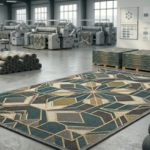
Plain, single-colour rugs are losing ground in outdoor ranges. Shoppers want a pattern that makes a patio or balcony feel like a proper room, and the kilim outdoor rug is one of the styles they keep reaching for.
A kilim is a flat-woven, pileless rug with a bold geometric look. It has always felt light and easy to live with. The question buyers ask most is whether that look survives outdoors. With a traditional wool kilim, the honest answer is “only on covered, dry spaces”. With a kilim-style rug woven in polypropylene, the answer is a confident yes.
Rug trends are moving in the same direction. Designers are stepping away from loud, high-contrast prints and leaning into softer geometrics, faded finishes and low-contrast colour. Kilim patterns suit that mood well, with cleaner lines and quieter palettes. For retailers and importers planning next season’s ranges, pattern now does the job that colour used to do.
This guide covers which kilim, floral and geometric designs are worth stocking. It also covers what to sort out with your manufacturer before you commit to a new line.
Kilim Outdoor Rug Designs Driving Repeat Orders
The flat-woven look and polypropylene are a natural match. Kilim designs rely on a tight, low-profile surface rather than deep pile, and that is how a good outdoor rug should be built anyway. There is no pile for water, sand or crumbs to settle into, and the rug dries quickly after rain or a rinse. It is also light enough for a customer to carry from the car, which matters more at retail than most people admit.
Four motif types come up most often in buyer requests:
- Diamonds: the classic kilim shape, and the easiest to recognise on a shelf or a screen.
- Lattice: a repeating grid that adds structure without feeling heavy.
- Tribal lines: hand-drawn, slightly uneven bands that give a rug its travelled character.
- Softened modern kilim: the same geometry with gentler edges and lighter contrast, which sits well in modern homes.
Colour is the other big decision. Earthy and tone-on-tone palettes (think sand, rust, olive and faded blue) look calm and go with wood decking and neutral furniture. High-contrast two-colour looks feel bolder and work well as a statement piece. Most ranges do best with both, so shoppers can choose between quiet and confident.
Floral Outdoor Rug Styles Beyond the Traditional Print
Florals have come back, but not in the way many buyers remember. The most talked-about direction right now is large, free-flowing botanicals that feel organic rather than fussy. Small-scale repeat florals still have a place, especially with a washed, heirloom finish that looks like it has been loved for years.
Vintage-inspired and coastal florals are a good fit for patio and balcony ranges. They soften a hard outdoor space and pair nicely with rattan, timber and painted metal furniture. A floral outdoor rug can also balance a range that is heavy on geometrics.
Pattern scale needs some thought at the design stage. Very fine detail can blur when it is woven into a flat outdoor rug. Bigger, simpler shapes usually hold their edges better. If a design has delicate petals or thin outlines, ask for a woven sample instead of relying on a digital mock-up. What looks crisp on screen does not always look crisp on the loom.
Geometric Outdoor Rug Ranges That Sell Across Regions
Stripes, trellis, checks and grid designs are the safe workhorses of any range. They stay neutral enough to suit many homes, and they rarely date quickly. A geometric outdoor rug is often the easiest choice for a buyer who has to fill shelf space for several kinds of customer.
These designs also travel well beyond the patio. They sit nicely under outdoor dining sets and lounge seating, and they work just as well at a campsite or under an RV awning. A single design can serve a garden retailer and a camping retailer, which makes stock planning simpler. If you are also weighing reversible options, our guide on outdoor living rugs and reversible designs is worth a read.
Preferences shift from market to market. Buyers in the US, Europe and Australia do not always ask for the same look. It helps to check with your manufacturer what is moving in each region before you finalise a line. When one range has to serve several markets, neutral geometrics are usually the safest starting point.
Custom Design Mats: From Buyer Artwork to Production Sample
Plenty of retailers want something their competitors do not have. That is where custom design mats come in. Working with a custom mats manufacturer lets you turn your own idea into a rug that only you sell.
To get started, the manufacturer needs three things:
- Artwork: a clean file or a clear reference image of the design.
- Colour references: a colour code, a physical swatch or a photo of the shade you want.
- Target size: the finished dimensions, so the pattern is scaled properly.
Once that is in, the design is woven as a sample. This is the stage for colour matching. Check the sample in daylight, not just under office lights, and compare it against your reference. If a shade is off, correct it now. Fixing colour after bulk production has started is slow and expensive.
If you already have designs in repeat production, plan new ones alongside them rather than in place of them. Agree sample approval dates early so a new pattern does not push back an order you have been running for months.
What to Confirm With a Bulk Outdoor Rugs Manufacturer Before Ordering New Patterns
A new pattern is a small commitment on paper and a big one on the loom. Before you sign off, get clear answers on three points from your bulk outdoor rugs manufacturer:
- Minimum order quantity: ask whether it applies per design, per colourway or across the whole order. The answer changes how many patterns you can afford to test.
- Lead time: ask how long it takes from sample approval to dispatch for a new pattern, not just for a repeat design.
- Consistency: ask how colour and pattern are kept the same from one production lot to the next. Your second order should look like your first.
Written answers to these three questions will save you many awkward emails later.
Conclusion: Building a Kilim Outdoor Rug Range Buyers Will Reorder
A kilim outdoor rug range that is balanced with floral and geometric options gives retail buyers the widest appeal across seasons. Kilim brings the character, florals add softness, and geometrics keep the range safe and easy to sell.
Custom design mats and clear sample approval steps lower the risk when you launch something new. A bulk outdoor rugs manufacturer with strong colour control protects your repeat orders, which is where a range really starts to pay off. Get the pattern mix right, agree the details early, and the range will keep earning its space on the shelf.
FAQs
1.Which kilim outdoor rug patterns are leading current trend reports?
Geometric diamond and lattice kilim designs in muted, earthy palettes are the ones trend reports keep pointing to.
2.Is a floral outdoor rug suitable for patio and balcony use?
Yes, as long as it is woven in UV-stabilised polypropylene. That material resists fading and moisture, so the print stays fresh through sun and rain.
3.Can a geometric outdoor rug be produced in custom colours?
Yes. Custom colourways can be developed and approved at sample stage, before bulk production begins.
4.What should I ask a bulk outdoor rugs manufacturer about new designs?
Ask about the minimum order per design, any limits on colourways, the sample lead time and the overall production timeline.