What Global Buyers Expect from a Mats Manufacturer in 2026
The rules of global mat procurement have changed. Buyers in 2026, whether they’re sourcing for a major home improvement chain in Germany, a camping gear distributor in the US, or a hospitality group in Australia are no longer evaluating polypropylene mat manufacturers on price and lead time alone. The bar has moved considerably higher, and manufacturers who haven’t moved with it are quietly losing contracts they don’t even know they’re losing.
Here’s a frank look at what today’s most sophisticated buyers expect and why meeting these standards is no longer optional for manufacturers who want to remain relevant in international trade.
1. Quality That Proves Itself Across Every Batch, Not Just the Sample
It’s easy to send a perfect sample. What separates serious manufacturers from the rest is the ability to replicate that quality across 10,000 units, 50,000 units, and six months later when the repeat order arrives.
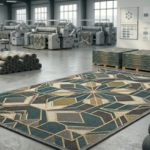
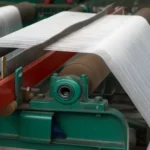
Buyers in premium markets like Germany and the UK use statistical sampling on incoming shipments. If consistency fails, the entire relationship is at risk. This is why understanding how polypropylene mats are manufactured at scale from extrusion through finishing matters as much as reviewing a product catalogue.
2. Sustainability Is No Longer a ‘Nice to Have’
Western retail chains have made sustainability commitments publicly. That means their suppliers, which includes you, the importer, and your manufacturer, need to reflect those values through verifiable action, not just marketing language.
The best manufacturers today operate with documented environmental practices. Sapana Mats’ recycled and eco-friendly mat range is built on post consumer recycled content with a transparent chain of custody. For buyers helping their own clients meet carbon targets, this kind of upstream accountability is invaluable.
For deeper reading on how sustainability shapes sourcing decisions globally, the blog on sustainable outdoor mat benefits provides useful context on how the market is shifting.
3. Certifications That Actually Mean Something
A manufacturer who lists certifications on their website without documentation is not a certified manufacturer; they’re a manufacturer with good graphic design. Buyers in 2026 verify everything.
Key certifications to look for include quality management systems, OEKO TEX for chemical safety, GRS for recycled content, and social accountability audits. These aren’t just paperwork, they’re the passport that allows products to clear customs in regulated markets and land on retail shelves.
Sapana Mats maintains a publicly accessible certifications page with complete documentation, reducing due diligence time for procurement teams and building immediate credibility.
4. Supply Chain Reliability — Especially After the Last Few Years
Procurement professionals have lived through enough supply chain disruptions to know that the cheapest option isn’t always the safest option. Reliability has become a premium that buyers are actively willing to pay for.
What reliability looks like in practice: consistent lead times, transparent communication during production, and proactive notification of any delays or issues. For international shipments, understanding how export regulations affect quality and timing is part of what experienced exporters communicate to their buyers automatically, not when asked.
5. Genuine Customisation Capability (Not Just Colour Swaps)
Retail buyers need to differentiate their product ranges. That means they need a manufacturer who can actually deliver on custom requirements, not just nod along during a sales call and then ship something close to what was agreed.
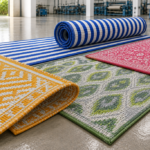
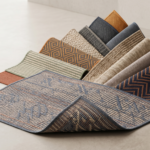
Real customisation includes unique weave patterns, specific dimensional requirements, branded packaging, and even climate specific product engineering (e.g., salt resistant coatings for coastal markets, enhanced UV protection for desert climates). Whether it’s developing camping and RV mats, picnic mats, or a bespoke outdoor rug range, flexibility in product development is a genuine competitive differentiator.
6. A Digital Presence That Functions as a Virtual Factory Tour
In international B2B commerce, buyers often can’t visit a factory before making a sourcing decision. Your manufacturer’s website, documentation, and digital content are doing that job instead.
A well documented company profile with real production information, product collections with accurate specifications, and clearly communicated capabilities builds the trust that a factory visit would otherwise establish. Buyers who can answer their own questions through your website are much closer to becoming buyers than those who have to submit an enquiry for every basic question.
7. Production Capacity That Can Absorb Peak Demand
Seasonal demand patterns are real and they’re unforgiving. Outdoor products spike dramatically in Q1 and Q2 for the Northern Hemisphere. A manufacturer who can’t scale for peak season creates an operational crisis for the importer.
Buyers look for documented capacity information and a track record of managing high volume periods without quality compromise. Sapana Mats’ manufacturing capabilities outline the production scale and infrastructure that supports large, time sensitive orders across multiple markets simultaneously.
8. Performance Features Beyond the Basics
The most competitive buyers in premium retail aren’t just asking whether a mat is durable. They’re asking about antimicrobial treatments, slip resistance ratings, stain repellence, fire safety compliance, and ease of maintenance.
Understanding UV resistance and material performance in technical terms helps procurement teams specify the right product for their market and gives them the language to explain product features to their own retail buyers and end consumers.
9. A Partnership Mindset, Not a Transactional One
The best suppliers in this industry don’t just respond to purchase orders. They proactively suggest new designs, flag upcoming material changes, notice when a buyer’s order pattern suggests they might be expanding, and propose solutions before problems arise.
This kind of manufacturer as consultant relationship is what long term contracts are built on. For buyers who want to understand how this plays out in practice, the guide on how to select the right PP mat manufacturer for long term international supply is a useful reference point.
Where to Start If You’re Evaluating Manufacturers Right Now
If you’re currently in the process of reviewing suppliers, the wholesale mat supplier India page provides a practical starting point for understanding pricing frameworks, MOQ structures, and available product categories. For region specific sourcing, Sapana Mats also has dedicated pages for buyers in the US, UK, Germany, Australia, and Brazil.
Conclusion
Global buyers in 2026 are more informed, more demanding, and more focused on long term value than ever before. The manufacturers who earn their business are the ones who have built their operations around these expectations not as a marketing exercise, but as genuine operational commitments.
Sustainability, certifications, capacity, customisation, and communication aren’t features anymore. They’re the baseline. Everything above that baseline is what separates the manufacturers’ buyers returning to again and again.