How Color, Texture and Design Influence Mat Buying Decisions
Walk into any well curated home, hotel lobby, restaurant terrace, or retail showroom and the floor mat is rarely an afterthought. It sets the tone for the entire space. The right color grounds the room. The right texture communicates quality before a single word is spoken. The right pattern signals whether a brand understands design or is simply filling floor space.
For wholesale buyers, importers, and retail chains sourcing polypropylene mat collections for diverse markets, understanding what drives mat buying decisions at the design level is as commercially important as understanding specifications and pricing. Design is not decoration. It is a purchase driver.
Why Design Has Become Central to Mat Procurement
Mat buying decisions have shifted significantly over the past decade. In residential retail, end consumers are no longer selecting mats purely on function. They are selecting them as design elements that contribute to their overall interior scheme. In commercial environments including hotels, restaurants, corporate offices, and retail spaces, mats are evaluated as part of a considered brand environment, not as a commodity floor covering.
This shift has placed design squarely at the center of procurement decisions. Buyers who source purely on price and durability are leaving commercial opportunity on the table. Buyers who understand the design preferences of their end markets are building product ranges that command higher retail price points and generate stronger repeat purchase behavior.
How Color Drives Mat Buying Decisions
The Psychology of Color in Floor Coverings
Color is the first element a buyer or end consumer notices in a mat. Before texture is felt or pattern is processed, color creates an immediate emotional response. This is not a subjective observation. It is a well documented principle in retail psychology that directly influences buying behavior.
For mat buyers and importers, understanding color psychology helps in curating ranges that connect with end consumers emotionally and convert at the shelf level.
Neutral tones including warm beige, soft taupe, natural jute tones, and off white perform consistently across residential and commercial markets because they complement a wide range of existing interior palettes. They are low risk for buyers building broad appeal ranges.
Earthy tones including terracotta, sage green, warm ochre, deep clay, and forest green are driving strong retail performance in European and Australian markets right now. These colors align with the biophilic design movement, where interiors draw from natural references to create calmer, more grounded living and working environments.
Bold colors including deep navy, charcoal, burnt orange, and rich burgundy are growing in outdoor and patio mat categories where buyers want products that serve as statement design elements rather than background pieces.
Color and Commercial Interior Mats
In commercial interior environments, color serves an additional function beyond aesthetics. It communicates brand identity. A hospitality brand with a warm, earthy palette will specify mats in colors that reinforce that brand story at every touchpoint including the floor. A contemporary retail brand with a minimalist identity will specify mats in precise neutral tones that align with their visual standards.
For suppliers, this means that color flexibility and color accuracy across batches are non-negotiable when serving commercial interior buyers. A color that shifts between production runs is not just a quality failure. It is a brand compliance failure for the buyer’s retail or hospitality client.
Sapana Mats uses solution dyed polypropylene yarn across our collections, which means color is locked within the fiber structure rather than applied as a surface treatment. This delivers consistent, batch to batch color accuracy that commercial buyers can rely on across seasonal replenishment orders.
How Texture Shapes the Buying Experience
Texture as a Signal of Quality
Before a buyer places an order, they evaluate samples. And the first thing they do with a mat sample is touch it. Texture communicates quality, durability, and value at a tactile level that no product image or specification sheet can replicate.
A flat weave mat with a tight, dense construction communicates precision and durability. A mat with uneven weave density, loose finishing, or rough edges communicates the opposite regardless of how the product is photographed.
For retail buyers, this matters because their end consumers do exactly the same thing at the shelf level. The tactile experience of picking up a mat and feeling its weight, surface texture, and edge finishing drives purchase decisions in store in a way that online product images simply cannot replicate.
Texture Categories in Polypropylene Mat Design
Modern polypropylene mat manufacturing offers a wider range of texture options than most buyers realize. Understanding what each texture communicates helps buyers build more targeted ranges for their specific market segments.
Flat weave: Clean, precise, and modern. Works across both indoor and outdoor applications. Appeals to minimalist and contemporary design preferences. Performs well in commercial environments where regular cleaning is required.
Ribbed and structured weave: Adds visual depth and tactile interest without moving into premium price territory. Works well for entrance mats and outdoor patio applications where a more substantial feel is valued.
High definition pattern weave: Replicates the visual depth of hand woven or traditional rug constructions in a polypropylene format. Appeals to buyers targeting consumers who want the aesthetic of a premium rug at a practical outdoor price point.
Textured surface with natural fiber appearance: Mimics the look and feel of jute, sisal, or seagrass within a fully weatherproof polypropylene construction. This category is growing rapidly in markets where natural fiber aesthetics are valued but practical outdoor performance is required.
Explore the full range of weave constructions and texture options across our polypropylene mat collections to see how these translate into finished product formats for retail and wholesale buyers.
How Design and Pattern Influence Purchase Decisions
Design as a Retail Differentiator
In a crowded floor mat category, design is the most powerful differentiator available to retail buyers and importers building private label ranges. Two mats with identical material specifications and production quality will sell at significantly different price points and velocities based purely on design.
This is not theoretical. It is the daily commercial reality of floor covering retail in Europe, North America, and Australia, where design led mat ranges consistently outperform commodity alternatives even when the price premium is meaningful.
Pattern Categories Driving Global Mat Sales
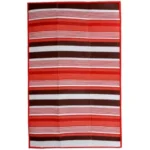
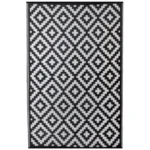
Geometric patterns: Consistently among the best performing design categories across outdoor and indoor mat retail globally. Clean geometric constructions including diamonds, chevrons, stripes, and grid patterns work across a wide range of interior styles from contemporary minimalist to mid century modern. They photograph well for online retail and display clearly at shelf level.
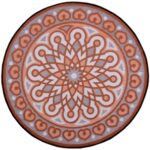
Oriental and traditional patterns: Experiencing a strong resurgence driven by the maximalist interior design trend that has grown across European and North American markets. Buyers targeting premium residential consumers and boutique hospitality environments are actively building oriental pattern collections in polypropylene formats.
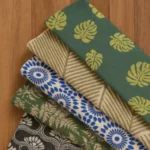
Botanical and organic patterns: Leaf motifs, abstract floral constructions, and organic shapes connect directly with the biophilic design direction that is influencing residential interiors across all major markets. These patterns work particularly well in patio and garden mat categories.
Kilim inspired patterns: A growing design category for buyers targeting consumers who want the aesthetic richness of traditional hand woven textiles in a practical, outdoor friendly format.
Reversible dual designs: One of the most commercially powerful innovations in mat design. A reversible mat offering two distinct pattern faces within a single product gives retail buyers a strong value proposition for consumers and reduces the SKU count required to serve multiple design preferences within a single range.
Sapana Mats’ design cell actively develops new pattern collections in response to global retail trend directions. Our collections include geometric, oriental, kilim, botanical, and reversible formats alongside camping and outdoor specific designs.
Design Trends Shaping Mat Buying Decisions Right Now
Earth Tones Are Dominating Residential and Outdoor Categories
The dominant color direction across residential and outdoor mat categories in Europe, Australia, and North America is currently earth tones. Terracotta, warm clay, sage green, moss, ochre, natural linen, and deep brown are all performing strongly across patio, garden, and indoor mat segments.
This direction aligns with the broader biophilic design movement that has been reshaping interior design priorities since 2022 and shows no sign of slowing. Buyers building new ranges for the 2026 and 2027 retail seasons should have earth tone collections at the core of their product plans.
Pattern Scale Is Shifting Toward Bolder Statements
Small repeat patterns dominated floor mat design for several years. The current trend direction is moving toward larger scale pattern statements, particularly in outdoor and patio categories where a mat is expected to serve as a focal design element rather than a background piece.
Bold geometric constructions, oversized botanical motifs, and large-scale kilim patterns are all gaining shelf space at the expense of small repeat commodity designs.
Commercial Interior Buyers Are Prioritizing Design Consistency
Hotels, restaurants, corporate offices, and retail chains are increasingly specifying mat designs that integrate with their wider interior design language rather than selecting generic commercial mats from a standard range. This has created meaningful opportunities for manufacturers who can handle custom color and pattern development for commercial specification buyers alongside their standard wholesale collections.
Our manufacturing capabilities page outlines how Sapana Mats supports custom design development for commercial buyers alongside standard wholesale production.
The Relationship Between Design and Sustainability in Mat Buying
An increasingly important dimension of mat buying decisions in European and Australian markets is the intersection of design and sustainability. End consumers and retail buyers are no longer willing to accept a trade off between design quality and environmental responsibility.
This means that recycled content mats need to deliver the same design range, color accuracy, and pattern quality as virgin material alternatives. Manufacturers who can achieve this give buyers the full package: design differentiation, retail shelf appeal, and verified sustainability credentials.
Sapana Mats produces GRS certified recycled polypropylene mats across a full design range, including geometric, botanical, and traditional patterns, in solution dyed colorways that maintain the batch to batch color accuracy that retail buyers require. Our eco friendly outdoor mats page covers the recycled mat range available for buyers who need both design quality and sustainability verification.
For a full understanding of what sustainable polypropylene mat production actually involves, our article on eco-friendly polypropylene mats myth vs reality separates the commercially available sustainable options from the longer horizon developments clearly.
The growing commercial importance of sustainability in mat procurement is also covered in depth in our article on why recyclable mats are growing in demand worldwide.
What Retail Buyers Should Consider When Building a Design Led Mat Range
For importers, wholesale buyers, and retail chains building a mat range with design as a core commercial driver, these are the most important considerations:
Color range depth: A credible design led range needs core neutrals, trending earth tones, and selective bold accent colors. A range built only on neutrals will not capture design conscious consumers. A range built only on trend colors will feel dated quickly.
Texture variety within a coherent range: Mixing flat weave, ribbed, and high definition pattern constructions within a range gives buyers at multiple price points an appropriate product. But the textures should feel like a coherent family rather than disconnected individual products.
Design to performance alignment: Every design decision should be evaluated against the performance requirements of the intended use environment. A high definition pattern weave that is not UV stabilized will lose its design impact in a single outdoor season. Design and material performance must be developed together.
Batch to batch color consistency: For buyers managing seasonal replenishment programs, color consistency across production runs is as important as the initial design selection. A color that drifts between batches creates problems at the retail shelf level that damage buyer credibility.
Private label design capability: Buyers building proprietary ranges need a manufacturer with genuine in house design capability, not just a library of existing patterns. The ability to develop exclusive colorways and pattern modifications is a meaningful commercial advantage for retail buyers building a distinct brand identity.
Our certifications confirm the compliance framework that underpins every product we produce, from chemical safety under OEKO-TEX standards to recycled content verification under GRS. Buyers can review our full global supply capability on our global reach page.
For material performance context that supports design decision making, our article on UV resistant material performance explains how UV stabilization engineering protects design integrity across outdoor mat product lives.
For the broader sustainability direction shaping how design and procurement intersect in global markets, our article on sustainable manufacturing in the mats industry provides the commercial context buyers need to plan ahead.
Quick Takeaway: What Every Mat Buyer Should Understand About Design
Color, texture, and design are not secondary considerations in mat procurement. They are primary commercial drivers that determine retail price point, purchase velocity, and consumer loyalty. Buyers who understand the design preferences of their end markets, work with manufacturers who can deliver accurate color and consistent texture across batches, and build ranges that align design with material performance will consistently outperform buyers who treat mats as a commodity category.
Conclusion
Color, texture, and design influence buying decisions at every level of the supply chain, from the end consumer reaching for a product at the retail shelf to the wholesale buyer selecting which designs to bring to market for the coming season. Understanding these influences and working with a manufacturer who can deliver genuine design capability alongside consistent production quality is the most effective way to build a mat range that performs commercially.
At Sapana Mats, design is not a catalog exercise. It is a continuous development process driven by global retail trend intelligence, in-house pattern development capability, and material engineering that ensures every design performs as well as it looks across seasons of real world use.
Ready to build a design led mat range for your market? Contact Sapana Mats today to request design samples, discuss custom colorways, and explore private label options for your next buying season.