Introduction to Sourcing From a Polypropylene Mats Manufacturer
Sourcing floor coverings on a large scale requires a balance between unit cost, long-term durability, and operational reliability. Global retail buyers are increasingly moving away from traditional single-material floor coverings, such as jute, heavy cotton, or rubber, and preferring polypropylene due to its superior stain resistance, moisture repellency, lightweight strength, and cost efficiency. However, finding a reliable polypropylene mats manufacturer presents its own challenges.
What makes a PP mat manufacturer different from a trading company is that the former has direct control over the production process, has access to materials at the level of batches, and can develop products of individual design.
What makes a polypropylene mats manufacturer different from a trading company is their ability to deliver on three fronts:
- Direct control over production lines
- Batch-level material traceability
- Custom design execution
Polypropylene Mats Manufacturer Capabilities That Actually Matter
When evaluating a polypropylene mats manufacturer, it comes down to their technical capacity, as it directly drives your product performance and profitability.
In-House Extrusion v/s Contract Production: In-house manufacturers control resin blending, UV stabilization, and tube extrusion all by themselves. Whereas outsourced or contract production frequently leads to uneven mat density, thin tube walls, and early product failure.
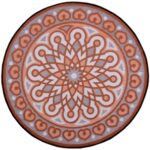
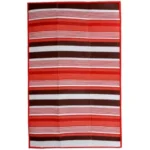
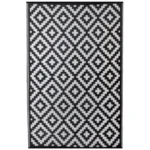
Design Depths: Genuine manufacturers offer extensive design catalogs spanning from jacquard weaves and multi-color mats to special edge bindings and tubular densities for commercial and industrial applications.
Production Capacity & Consistent Repeat Bulk Orders: Large exporters have dedicated automated looms and buffer stock to execute repetitive orders in multiple bulk consignments without compromising on the consistency of the loom-woven pattern.
PP Mat Manufacturer Warning Signs Buyers Often Miss
During the initial inspection of a PP mat manufacturer, a buyer should look out for some particular warning signs.
First, the sample disconnect, which implies that the samples presented at the exhibition do not match the production output in terms of quality. This suggests that the manufacturer has inconsistent production capabilities and suspicious subcontracting practices.
Secondly, vague answers about minimum order quantities (MOQs), often disguised as flexible “volume discounts”, usually mean you are dealing with a middleman. Intermediaries often use this tactic to combine smaller buyer orders behind the scenes just to meet a real factory’s minimum container requirement.
The third issue in the shortlist of potential problems is the lack of transparency on the seller’s behalf. A manufacturer with dubious practices will be hesitant to provide any information about the raw materials used on their website or upon request. This includes specifications, polymers’ origin, and regulatory approvals for the product.
Polypropylene Mat Manufacturer Quality Checks Before You Sign
Partnering with a technical audit team before issuing the purchase order can help you establish the following durability criteria for the mats manufacturer.
Physical Metrics: Ask them about the hardness (Shore A), elongation, and compression set as indicators of a material’s resilience to heavy-duty commercial traffic.
Climate Consideration: Confirm that all outdoors-facing products have undergone UV resistance and colorfastness tests (per Xenon Arc standards) to prevent chalking and fading.
Warranty Coverage: The polypropylene mat manufacturer provides a warranty for products against delamination, edge cracking, and fading, which proves their confidence in the closed processing technology and spec-edge finishing.
Mat Manufacturing Company Structure Behind a Reliable Supplier
Having one’s own tooling and dies is much more important than having a big factory floor, since it enables quicker changes to machinery, more accurate border-size adjustments, and pattern production without relying on external suppliers.
Furthermore, one can be assured that a professional mat manufacturing company will carry out the process with high quality throughout, from checking the purity of raw materials and melt flow index to loom tension and carton drop testing.
Finally, major suppliers always strive to meet the demands of the export market by maintaining regular despatch schedules, utilizing space-saving packing, moisture-proof packing, and automated labeling to ensure quick clearance at customs and upon arrival at the destination port.
Polypropylene Mat Exporter to USA and GRS Polypropylene Mat Supplier Standards
Retail Standards: Changes in the retail sector are pressuring the manufacturing sector. More retail buyers are asking for US or European standard certifications, such as OEKO-TEX Standard 100 to assure the absence of harmful substances and ISO 9001 to ensure the quality of goods produced.
Verified Recycled Claims: By choosing a certified GRS polypropylene supplier, you gain the assurance that the material is made up of the recycled content it claims to be.
Customs Efficiency: As a GRS polypropylene mats exporter to the US and European countries, we know what documents certifying the composition of the materials they use are needed to get products through customs as quickly as possible.
Conclusion: Choosing a Polypropylene Mats Manufacturer Built for Long-Term Supply
A certified supplier of polypropylene mats with their own tooling is a safer choice than a small supplier because they can ensure the delivery of goods without any problems in the supply chain and prevent expensive returns of the shipments.
At the end of the day, long-term partnerships with trusted manufacturers deliver predictable quality and reliable bulk supply for years to come.
Frequently Asked Questions
What should I check first when evaluating a polypropylene mats manufacturer?
While searching for a polypropylene mats manufacturer, make sure they produce their own tooling and equipment as opposed to subcontracting. Ask for production line samples and for proof of any required compliance certifications to show that the company can meet your market’s importing requirements.
How is a PP Mat Manufacturer different from a trading company?
Direct manufacturers have control of their production lines, which means they can ensure the quality of each batch of their products and manage their supply schedules efficiently and transparently. Trading companies are intermediaries, which means their involvement usually results in higher prices and less consistent product quality.
What certifications should a polypropylene mat manufacturer hold?
A polypropylene mat manufacturer should have OEKO-TEX Standard 100 certification, which checks textiles for harmful substances. It should also hold the Global Recycled Standard (GRS), which verifies recycled claims, and ISO 9001, which ensures quality control of the products.
Why does a mat manufacturing company’s structure matter for bulk buyers?
A well-structured mat manufacturing company has dedicated export capacity and in-house quality checkpoints, which provide consistent quality across repeat container orders, prevent stockouts, and help eliminate customs delays.