Recycled Floor Mat Manufacturer & Exporter from India
The world is rethinking what it buys, where it comes from, and what it leaves behind. Across boardrooms in Berlin, procurement desks in Toronto, and retail showrooms in Sydney, one question keeps surfacing: can we source floor coverings that are both high performing and genuinely sustainable? For an increasing number of global importers, the answer arrives from one clear direction — India. India has quietly become one of the most trusted sources for recycled mats across the globe. Whether you are a retailer building an eco conscious private label, a hospitality brand outfitting outdoor spaces, or a wholesale buyer seeking ethically made, durable products at competitive prices, the Indian recycled mat manufacturing industry has matured to meet and often exceed your expectations. Browse the full range at Sapana Mats to see what world class Indian production looks like today.Global Demand Surges
Demand for sustainable home and outdoor products has grown faster than almost any other segment in the global lifestyle market. Recycled mats, made from repurposed materials such as plastic bottles, waste cotton fabric, discarded jute fibers, and reclaimed rubber, have moved from niche to mainstream. The scale of this shift is well documented. As explored in our dedicated piece on recycled mat import demand, buyers across Europe and North America are now structuring their sourcing decisions around verified sustainability credentials, not just price and lead time. Buyers who once prioritized cost above everything else now routinely ask for material origin documentation, recycled content percentages, and third party certifications before placing an order. Recycled outdoor mats sit perfectly at the intersection of the outdoor living design movement and the global push for responsible sourcing and Indian manufacturers are ready to deliver at scale.India’s Manufacturing Edge
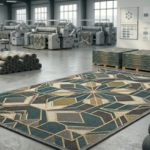
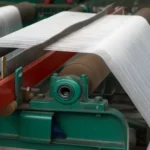
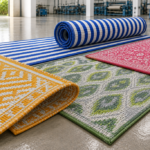
India’s position as a world class recycled mat manufacturer is not accidental. It is the product of centuries of craft tradition, a highly skilled textile workforce, and a business environment that has embraced quality systems and export competency at every level. The weaving traditions of Rajasthan, Gujarat, Tamil Nadu, and West Bengal have given Indian artisans a deep understanding of how to work with fibrous materials. This expertise transferred naturally into recycled mat production as manufacturers began reprocessing waste cotton chindi, plastic strips from PET bottles, and natural fiber blends into durable woven mats. Today, Indian manufacturers operate at a scale and variety that few countries can match. From flatwoven chindi mats made from fabric scraps to PET bottle woven outdoor mats with UV resistance, the entire spectrum of recycled floor covering is produced under one export ecosystem. Explore the complete product collections to understand the full depth of what Indian manufacturing can deliver for your market. For a deeper look at how production systems are structured end to end, the capabilities page outlines the full manufacturing, testing, and inspection process in detail.Why Buyers Choose India
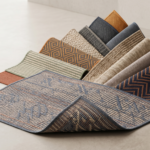
The real advantages of sourcing from India go well beyond price. Production flexibility, design capability, ethical supply chains, and consistent quality at scale are the true differentiators. Indian manufacturers excel at producing mats across an enormous range of colors, patterns, and weave structures. Whether a buyer needs a minimalist Scandinavian palette or a rich Bohemian pattern, the production capability exists in India to execute it with precision. Indian manufacturers also offer genuine artisanal heritage. The story of a mat woven from reclaimed fabric by skilled artisans carries powerful marketing value for brands that want to connect their products to authentic sustainability narratives. That story, combined with verified recycled content and competitive pricing, creates a commercial proposition that is very difficult to source elsewhere. Learn more about the craftsmanship and values behind Sapana Mats and why global buyers return season after season. For a broader view of the markets Sapana Mats serves, the global reach page details the countries and trade relationships built over four decades of exporting.Certifications That Matter
Quality assurance is where serious exporters separate themselves from commodity suppliers. The Global Recycled Standard provides chain of custody verification from raw material recovery through to the finished product, allowing brands to make defensible recycled content claims. Our detailed guide on GRS certification for mat suppliers walks through exactly what this standard covers and why it matters for import compliance. OEKO TEX Standard 100 confirms the mat is free from harmful substances, which is essential for European retail compliance. For a complete breakdown of what OEKO TEX testing covers and how it applies to outdoor mat sourcing, read our dedicated post on OEKO TEX certified outdoor mats. ISO 9001 quality management certification ensures product consistency across large orders, and Sedex or SMETA social audit certification verifies ethical working conditions throughout the supply chain. View the full list of standards Sapana Mats holds on the certifications page. Understanding how certifications translate into winning international contracts is covered thoroughly in our blog post on how certified mats win global markets. At Sapana Mats, certifications are treated as a baseline, not a ceiling.Bulk Supply and Customization
One of the strongest advantages of working with an established Indian exporter is the ability to handle volume without sacrificing quality or customization. Manufacturers operating both handloom and power loom systems can scale output during peak seasons without compromising finish standards. If you are evaluating what to look for before committing to a bulk relationship, our post on reliable bulk sourcing criteria provides a practical framework for vetting suppliers at scale. Customization is where Indian exporters genuinely excel. Custom sizing, private label packaging, Pantone matched color specifications, logo integration, and unique pattern development from buyer provided designs are all standard capabilities. Discuss your volume and customization requirements directly with the Sapana Mats team to find a structure that fits your business model and seasonal buying cycle.Sustainability Impact That Speaks
The environmental story behind a recycled mat is more powerful than many buyers initially realize. A single one kilogram recycled PET mat diverts approximately 25 to 30 plastic bottles from landfill or ocean environments. At commercial export volumes, that diversion becomes genuinely significant. Producing recycled polyester fiber from post consumer PET bottles also uses approximately 30 to 50 percent less energy than producing virgin polyester from petroleum. Reclaimed cotton fabric production bypasses new cotton cultivation entirely, delivering meaningful water savings at scale and reducing the textile industry’s overall waste burden. The full picture of why sustainable outdoor mat sourcing benefits both buyers and the planet is explored in our post on sustainable outdoor mat benefits. Beyond materials, leading Indian manufacturers are investing in solar energy adoption, natural dye processes, and water recycling systems because the buyers they work with care about the full production footprint, not only the material story. The social dimension matters equally. Recycled mat manufacturing in India provides skilled, dignified employment for artisan communities where traditional weaving livelihoods face economic pressure. When you source from a certified ethical manufacturer, you are also sustaining craft skills and community stability that no factory system can replicate.Your Global Partner Awaits
India’s recycled mat export industry stands at a remarkable intersection: centuries of craft heritage meeting the urgent demands of a world that needs to produce more responsibly. The environmental credentials are real and measurable. The quality standards are internationally verified. The customization capabilities are extensive. And the pricing makes sustainable sourcing commercially viable rather than aspirationally expensive. For buyers who want a broader perspective on why India consistently outperforms other sourcing regions in this category, our post on India’s outdoor mat advantage covers the structural reasons behind the country’s export leadership. If you are also evaluating plastic mat sourcing from India more broadly, the plastic mat exporter guide is a useful companion resource. If your business is ready to source recycled mats that your customers will feel proud to buy and your sustainability reporting can reference without reservation, the conversation starts here. Reach out directly to begin a sourcing conversation with the Sapana Mats team today and take the first step toward a supply chain your brand can stand behind.Frequently Asked Questions
The most reliable verification is Global Recycled Standard certification, which provides independently audited chain of custody documentation from raw material recovery through to finished product. Ask any prospective exporter for their GRS certificate number and verify it on the Textile Exchange database. Beyond certification, request material composition reports and ask for the names of their raw material suppliers. Credible exporters will provide this information transparently. If a supplier becomes vague or evasive when you ask for material traceability documentation, that is a strong signal to look elsewhere.
Most established Indian recycled mat exporters work with first time buyers at order quantities between 500 and 2,000 pieces per design or color combination. Some offer lower minimums for sampling programs or new range development projects. Manufacturers who value long term relationships often show flexibility with initial orders when a buyer can demonstrate genuine volume potential. Understanding the price breaks at different volumes early in the conversation helps you plan your buying structure effectively.
Yes, leading Indian exporters can produce recycled mats that meet European hospitality and commercial compliance requirements. OEKO TEX Standard 100 certification addresses restricted substance testing including azo dyes, heavy metals, formaldehyde, and pH levels. For fire performance requirements, manufacturers can incorporate fire retardant treatments or source inherently fire resistant fiber blends. Communicate your specific compliance requirements clearly at the inquiry stage so the manufacturer can confirm capability and provide appropriate test reports with your sample order.
Most established Indian recycled mat exporters offer both FOB and CIF terms. Standard export documentation includes commercial invoice, packing list, bill of lading, certificate of origin, and product certification documents. Transit times by sea are typically 18 to 28 days to major European ports and 22 to 35 days to North American ports. Air freight is available for smaller urgent orders. Experienced exporters will guide you through the full documentation process and connect you with freight forwarding partners when needed.
Recycled PET outdoor mats, when properly UV stabilized during fiber production, typically perform well for three to five years in direct outdoor exposure with normal use and basic maintenance. Natural fiber recycled mats incorporating jute or coir blends are better suited to covered outdoor areas protected from prolonged direct rainfall. Construction density matters significantly: tightly woven or tufted constructions hold up better to foot traffic than loosely woven alternatives. Always request UV stabilization and weather resistance details from your exporter before confirming an outdoor application order.
Full custom development is one of the genuine strengths of established Indian recycled mat manufacturers. You can develop custom woven patterns, specify exact Pantone or RAL color references for fiber dyeing, request unique size specifications, integrate woven or printed logos, and create retail ready private label packaging. Development timelines for fully custom designs typically run eight to fourteen weeks from design approval to production ready samples, followed by four to ten weeks of production depending on order size.
Quality control in professionally managed Indian export operations includes inline production checks at weaving stage, finished goods inspection against agreed specification sheets, and pre shipment inspection before loading. Many buyers arrange independent third party pre shipment inspection through agencies like SGS, Bureau Veritas, or Intertek for their first orders with a new supplier. Ensure orders are placed with clearly written specification documents, approved pre production samples, and defined acceptance criteria so any non conformance can be resolved efficiently and objectively.