Why Outdoor Plastic Straw Rugs Are a Sustainable Alternative to Traditional Outdoor Carpets
Sustainability is no longer limited to solar panels and reusable bottles. In 2026, it has become a core consideration in home décor—including how we design and furnish our outdoor spaces. Balconies, patios, terraces, and gardens are now treated as everyday living areas, and buyers are increasingly looking for materials that are durable, practical, and environmentally responsible.
This shift has brought renewed attention to the outdoor plastic straw rug. Once seen mainly as a functional outdoor mat, it is now widely viewed as a more sustainable alternative to traditional outdoor carpet, especially in climates like India and other weather-intensive regions.
This article explains why plastic straw outdoor rugs are considered more sustainable, how they compare to conventional outdoor carpets, and why they are gaining global acceptance in eco-conscious homes and businesses.
The Environmental Impact of Traditional Outdoor Carpets
Traditional outdoor carpets are often marketed as “weather-resistant,” but their environmental footprint tells a more complicated story.
1. Heavy Dependence on Synthetic Materials
Most outdoor carpets are made using layered synthetic fibers, adhesives, and chemical backings. While durable, these materials are:
- Energy-intensive to produce
- Difficult to recycle once bonded
- Often discarded entirely at end of life
2. High Water and Chemical Use
Manufacturing and maintaining fabric-based outdoor carpets can involve:
- Significant water usage
- Chemical dyes and treatments
- Frequent deep cleaning to prevent mold and odor
3. Shorter Usable Life Outdoors
In hot, dusty, or humid climates, many outdoor carpets:
- Fade quickly under UV exposure
- Trap moisture and dust
- Develop mildew or odor
This short life cycle often leads to early disposal and landfill waste, which undermines sustainability claims.
What Is an Outdoor Plastic Straw Rug?
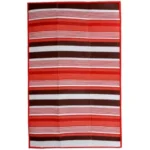
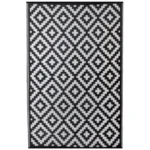
An outdoor plastic straw rug is a woven rug made from durable polypropylene plastic strands, often using recyclable plastic as the base material. The weaving technique creates a breathable, flat surface that mimics the look of natural straw mats—without their weaknesses.
Unlike traditional outdoor carpet, plastic straw rugs:
- Do not rely on layered adhesives
- Do not absorb water
- Maintain shape and structure over time
They are designed specifically for outdoor use and are commonly used on balconies, patios, terraces, poolside areas, and outdoor cafés.
Why Outdoor Plastic Straw Rugs Are More Sustainable
1. Reduced Material Waste
Plastic straw outdoor rugs use a single-material woven construction, which:
- Requires fewer raw inputs
- Avoids multi-layer bonding
- Simplifies reuse and recycling
2. Longer Product Lifespan
Durability is a major sustainability factor. Outdoor plastic straw rugs:
- Resist UV damage
- Do not rot or mildew
- Handle repeated exposure to rain, heat, and dust
A longer lifespan means fewer replacements and less waste over time.
3. Recyclability
Many plastic straw rugs are made from recyclable polypropylene. While recycling infrastructure varies by region, these rugs are more recyclable than mixed-material outdoor carpets.
4. Low Water and Chemical Use
From manufacturing to daily use:
- Less water is required
- No chemical shampoos or cleaners are needed
- Maintenance relies mainly on rinsing or shaking
This makes them a more practical eco-friendly outdoor carpet option.
5. Energy-Efficient Manufacturing (General)
The weaving process used for plastic straw outdoor rugs is typically less energy-intensive than producing thick, layered carpet materials.
Outdoor Plastic Straw Rugs vs Traditional Outdoor Carpets
Outdoor plastic straw rugs are a more sustainable and practical choice than traditional outdoor carpets because they last longer, resist water, and require minimal maintenance. Made from woven polypropylene, they do not absorb moisture, dry quickly after rain, and reduce the risk of mold, mildew, and odor. This makes them well-suited for hot, humid, and dusty climates like India.
Traditional outdoor carpets, especially fabric-based ones, tend to absorb water, need frequent cleaning, and wear out faster in open outdoor spaces. Over time, plastic straw rugs cost less due to fewer replacements and lower upkeep. Their recyclable material and long lifespan also result in a lower environmental impact, making plastic straw outdoor rugs ideal for balconies, patios, and high-use outdoor areas.
Sustainability Meets Practicality: Everyday Benefits
Sustainability works best when it also supports daily living. Plastic straw outdoor rugs deliver both.
Practical advantages include:
- Waterproof and quick-drying surface
- Resistance to mold and mildew
- Easy cleaning without chemicals
- Reversible designs that extend use
- Lightweight and portable
These qualities make them ideal balcony rugs for outdoors, patios, and high-use spaces.
Why Outdoor Plastic Straw Rugs Are Ideal for Indian Weather
India’s climate presents one of the toughest tests for outdoor flooring.
Plastic straw outdoor rugs perform well because they:
- Reflect heat better than thick carpets
- Dry quickly during monsoon seasons
- Do not trap dust or pollution
- Suit compact urban balconies
For apartments, terraces, and verandas, they offer a low-maintenance, climate-ready alternative to outdoor carpet.
Global Sustainability Trends in Outdoor Rugs
Globally, sustainability is reshaping outdoor décor choices:
- Eco-friendly outdoor rugs are increasingly used in cafés and resorts
- Plastic straw rugs are popular in RVs, patios, and travel setups
- Hospitality buyers prefer reusable, washable outdoor flooring
The combination of durability, portability, and reduced environmental impact has made plastic straw rugs a preferred option worldwide.
How to Choose a Sustainable Outdoor Rug
When selecting a sustainable outdoor rug, consider:
1. Material Transparency
Choose rugs made from identifiable materials like polypropylene rather than mixed composites.
2. Longevity
Durability is sustainability. A rug that lasts longer reduces waste.
3. Maintenance Requirements
Low-water, low-chemical maintenance supports eco-friendly living.
4. Climate Compatibility
Select rugs designed for your local weather conditions.
5. Ethical Manufacturing
Look for brands focused on functional design and responsible production rather than disposable décor.
Why Choose Sapana Mats for Sustainable Outdoor Rugs
Sapana Mats focuses on outdoor rugs that are:
- Designed for Indian weather conditions
- Suitable for global outdoor use
- Made using durable, outdoor-ready materials
- Created with long-term usability in mind
Rather than short-lived trends, the emphasis is on functional, sustainable home décor that works across climates.
Care & Maintenance Tips to Extend Rug Life
Extending a rug’s life directly supports sustainability.
Best practices:
- Shake or sweep regularly
- Rinse with water when needed
- Allow full drying before reuse
- Store folded in dry conditions during extreme weather
Minimal care can significantly reduce the need for replacement.
Final Thoughts
Choosing an outdoor plastic straw rug is not just a style decision—it’s a sustaina
bility choice. Compared to traditional outdoor carpet, plastic straw rugs offer longer life, lower maintenance, and reduced environmental impact, especially in challenging climates like India.
For homeowners and businesses looking to combine eco-conscious values with everyday practicality, exploring Sapana Mats’ sustainable outdoor rug collections is a thoughtful next step.