Eco-Friendly Polypropylene Mats: Sustainability in Plastic Floor Manufacturing
The assumption that plastic flooring can’t be sustainable is understandable but incomplete. Polypropylene mats occupy an interesting space in responsible building material choices—they’re plastic, which raises legitimate environmental questions, but they can also be manufactured, used, and recycled in ways that genuinely reduce environmental impact compared to alternatives. Understanding this requires moving past marketing claims and looking at how these products actually perform across their full lifecycle.
The most practical argument for polypropylene mats in sustainable design isn’t that plastic is inherently green. It’s that a durable, long-lasting mat that doesn’t need frequent replacement creates a smaller footprint than materials that degrade, require replacement every 18 months, or depend on resource-intensive maintenance. A mat that lasts seven years with minimal care beats a “natural” alternative that needs replacing every two years, regardless of what it’s made from. Durability is the first measure of sustainability—the longer a product performs, the lower its amortized environmental cost. Modern manufacturing practices and quality standards ensure that mats deliver this durability reliably and consistently. This matters because a product that fails prematurely erases any environmental advantage from its material composition.
Recycled polypropylene content addresses material sourcing directly. Manufacturers increasingly work with recycled PP sourced from post-consumer and post-industrial plastic waste streams. Using recycled material reduces demand for virgin petroleum extraction, cuts energy consumption in material production, and diverts plastic from landfills. Not all recycled PP is equal—responsible suppliers verify material provenance, maintain traceability, and hold certifications like GRS (Global Recycled Standard) that validate the recycling claims. When a mat explicitly uses recycled content, this documentation matters more than the claim itself.
Water and chemical resistance, which define polypropylene’s practical strength, also have environmental implications that aren’t always obvious. A mat that can be hosed clean requires no specialized chemical treatments. It doesn’t absorb spilled liquids that would require disposal or remediation. In commercial and hospitality settings where chemical usage is substantial, this translates to genuine reduction in hazardous chemical consumption. For architects and facility managers integrating sustainability into operations, these practical considerations often matter more than material composition alone.
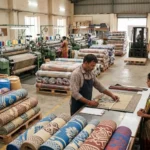
Manufacturing practices separate responsible producers from commodity operations. Facilities with documented environmental management systems, waste reduction protocols, and energy efficiency programs create smaller impacts than those operating without oversight. Responsible manufacturers track water usage, manage chemical handling, monitor air emissions, and maintain worker safety—these operational practices are measurable sustainability indicators, not marketing differentiation. Certifications like OEKO-TEX and BSCI validate that facilities meet independent standards for chemical safety, worker conditions, and environmental management.
End-of-life considerations are where plastic sustainability gets honest. Unlike truly biodegradable materials, polypropylene doesn’t decompose in landfills on meaningful timescales. But it does recycle. Mats reaching end of life can be collected, processed, and converted back into usable plastic material. Some facilities convert post-consumer mats into new products entirely—outdoor furniture, shipping pallets, or fresh mats. This circular potential requires infrastructure that isn’t universally available, which means responsible sourcing includes understanding whether your supplier has take-back programs or partners with recycling facilities.
The realistic path to sustainable flooring isn’t finding a perfect material—it’s choosing products and manufacturers that minimize environmental impact across sourcing, manufacturing, use, and end-of-life. Polypropylene mats, when produced responsibly, checked for recycled content, manufactured with environmental oversight, and selected for durability, contribute meaningfully to sustainable building objectives.
Sapana Mats manufactures with environmental responsibility integrated into operations. Our manufacturing practices reflect commitment to reducing water consumption, managing chemical usage responsibly, and maintaining worker safety standards that go beyond basic compliance. We work with recycled polypropylene to reduce virgin material demand, and our certifications validate these commitments to third parties. For architects, designers, and facility managers making sustainability decisions, understanding how a manufacturer actually operates—not just what claims they make—determines whether a material truly aligns with your environmental goals. Our range of sustainable mat options and designs serves projects across different performance requirements, supporting facilities that take sustainability seriously.