The Shift Toward Lightweight Outdoor Rugs: Why Polypropylene Is Winning Globally
Let’s be honest — most people don’t think about what their outdoor rug is made of until it starts falling apart after one rainy season.
Faded colors. Mold creeping in from underneath. Fibers turning brittle in the sun. If you’ve sourced outdoor rugs at any scale — whether for retail, hospitality, or export — you’ve probably dealt with this complaint more than once.
That’s exactly why the global market is moving toward polypropylene. Not because of clever marketing. Because it simply works better outdoors than almost anything else available today.
And if you’re currently evaluating your next sourcing partner — whether you’re looking for a dependable polypropylene mats manufacturer or a long-term outdoor area rugs supplier — understanding this material shift will save you from costly mistakes down the line.
What’s Actually Driving This Global Shift?
The pandemic quietly changed how people use their homes. Patios became dining rooms. Balconies became offices. Poolside decks became weekend retreats. That cultural shift didn’t reverse — it deepened.
As outdoor living spaces became more permanent and more designed, buyers started demanding rugs that could actually keep up. S omething that handles rain, sun, kids, pets, and a garden hose without showing signs of wear after six months.
Traditional materials struggled to meet that bar. Jute absorbs moisture and develops mold. Cotton fades fast and can’t handle wet climates. Wool is beautiful but completely impractical outdoors at scale.
Polypropylene stepped into that gap — and it hasn’t looked back since.
Why Polypropylene Holds Up Where Others Don’t
Here’s what makes this material genuinely different, not just in spec sheets but in real-world performance:
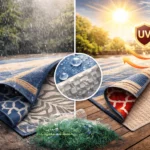
- It doesn’t absorb water. Polypropylene fibers are naturally hydrophobic, which means moisture sits on the surface rather than soaking in. No dampness buildup. No mold. No mildew smell after a wet week.
- UV resistance is built into the yarn. Good-quality PP outdoor rugs don’t just fade slowly — they hold color well even under direct, intense sunlight across multiple seasons.
- They’re light enough to actually move. A 5×8 polypropylene rug can be rolled up, hosed down, and repositioned without needing two people. That matters more than most buyers realize until they’re managing volume.
- Cleaning takes minutes, not effort. Brush it off. Rinse it down. Done. This is a major selling point for hospitality buyers managing large floor areas.
- Recycled PP is now a real, scalable option. With sustainability mandates tightening across the EU, UK, and Australia, buyers aren’t just looking for durable — they’re looking for responsible. Recycled polypropylene mats tick both boxes.
Where the Demand Is Coming From Right Now
The growth in polypropylene outdoor rug imports isn’t evenly spread — it’s concentrated in specific markets, each with its own set of requirements.
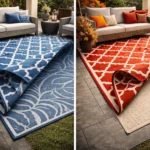
The US is driven by large-format retail and e-commerce demand, with a strong preference for bold patterns and reversible designs. The UK and Germany lean toward understated aesthetics with strict chemical compliance requirements — REACH standards matter here. Australia’s climate makes UV performance non-negotiable. Brazil has a growing hospitality and resort sector that’s sourcing heavily right now.
At Sapana Mats, we actively serve all of these markets — with product lines adapted to each region’s climate conditions, compliance expectations, and design preferences. If you want to understand how we approach market-specific supply, explore our pages for the US, Germany, and Australia — each one breaks down exactly what we manufacture and export for those buyers.
What Separates a Good Supplier from a Great One
If you’ve been sourcing long enough, you know that the material is only part of the equation. The supplier behind it matters just as much.
A few things experienced importers consistently tell us they’ve learned the hard way:
Don’t skip the manufacturing audit. A supplier who assembles from outsourced components has far less quality control than one with vertical production. We’d encourage you to review our manufacturing capabilities to understand how we manage quality from yarn to finished product.
Certifications aren’t paperwork — they’re protection. Especially for buyers in regulated markets, having a supplier who already meets the required standards removes a massive sourcing risk. Our certifications reflect the compliance frameworks we operate within across global markets.
Range matters more than you’d expect. A supplier locked into two or three standard sizes will slow your business down. Take a look at our full product collections to see the variety we offer in weave structures, sizes, finishes, and custom options.
Export experience is earned, not claimed. Reliable documentation, logistics coordination, and consistent lead times only come from years of doing it. Our global reach gives you a clearer picture of where we ship and how we operate.
The Sustainability Pressure Is Real — and Growing
This deserves its own section because it’s changing procurement decisions in ways that weren’t true even three years ago.
Retailers in Europe are increasingly under pressure from both regulators and consumers to prove their supply chains are environmentally responsible. That pressure flows directly to their suppliers. Buyers who can’t demonstrate recycled content or sustainable production practices are quietly getting deprioritized.
Recycled polypropylene mats aren’t a niche product anymore. They’re becoming a baseline expectation in certain markets. Manufacturers who’ve built that capability into their production — not just added it as an afterthought — are the ones positioned to serve buyers well over the next decade.
A Final Thought for Buyers Evaluating Their Options
Polypropylene didn’t win the global outdoor rug market by accident. It won because it consistently solves real problems for real people — homeowners, retailers, hospitality managers, and importers alike.
If your current supplier is struggling to meet delivery timelines, maintain consistent quality, or adapt to sustainability requirements, that’s worth paying attention to. The right polypropylene mats manufacturer should make your job easier, not harder.
Sapana Mats has been supplying outdoor area rugs and polypropylene mats to global markets for years — with real manufacturing depth, verified certifications, and a product range built around what buyers actually need. Explore our work and see if we’re the right fit for what you’re building.