Bulk Buying Guide: How to Source Polypropylene Mats for Retailers & Wholesalers in 2026
If you’re a retailer or wholesaler looking to add polypropylene mats to your product lineup, you’ve probably realized the demand is skyrocketing. Outdoor recreation is booming, camping gear sales are through the roof, and customers want affordable, durable mats that actually work. But here’s the thing—finding the right supplier for bulk orders isn’t as simple as placing a cart order online.
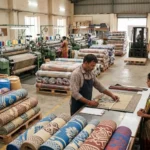
The difference between a profitable product line and a warehouse full of returns often comes down to choosing the right manufacturing partner. Quality manufacturing capabilities make all the difference when you’re ordering hundreds or thousands of units. You need consistency, reliability, and products that won’t fall apart after one beach season.
What Smart Retailers Look for in a Supplier
Let’s get straight to what matters. When you’re sourcing bulk polypropylene mats, price per unit obviously matters, but it shouldn’t be your only consideration. I’ve seen too many retailers chase the lowest price only to deal with quality issues, missed delivery dates, and angry customers six months later.
First things first—ask about minimum order quantities. Some manufacturers won’t even talk to you unless you’re ordering container loads, while others are flexible with smaller bulk orders. Knowing the MOQ upfront saves everyone time and helps you plan your inventory investment properly.
Quality Control Should Be Non-Negotiable
Here’s where a lot of new buyers make mistakes. They assume all polypropylene mats are basically the same. They’re not. The weave density, UV resistance, edge finishing, and material grade can vary dramatically between suppliers. A reputable manufacturer will have quality control processes in place and won’t hesitate to share specifications with you.
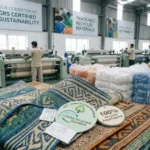
Ask for samples before committing to large orders. Test them yourself—get them wet, leave them in the sun, drag them across rough surfaces. Your customers will do all these things, so you should know how the mats hold up. Also, check if the supplier has industry certifications that verify their quality standards and manufacturing processes.
Understanding Lead Times and Production Capacity
This is huge, especially if you’re gearing up for peak season. Nothing kills a sales opportunity faster than running out of stock when demand is high. When evaluating suppliers, ask specific questions about their production capacity and typical lead times for bulk orders.
Can they scale up if you need to double your order next quarter? What happens during their busy season? Manufacturers with global reach often have better capacity to handle fluctuating demand because they’re serving multiple markets and have established production schedules.
Regional Sourcing Considerations
Where your mats come from matters more than you might think. Shipping costs, import duties, and delivery timelines vary significantly depending on your supplier’s location and their distribution network. Working with established manufacturers in India who have global distribution capabilities often provides the best balance of quality and competitive pricing for bulk orders.
The advantage of partnering with globally-focused suppliers is their experience handling international logistics. Whether you’re a retailer in the US, UK, Germany, or Brazil, experienced manufacturers understand the documentation, customs requirements, and shipping logistics specific to your market. This expertise saves you headaches and ensures your orders arrive on schedule.
Product Range and Customization Options
Your customers want choices. Different sizes, colors, and styles sell to different market segments. When evaluating suppliers, check out their product collections and see if they offer the variety you need. Can they do custom sizes if one of your big retail clients wants something specific?
Some manufacturers are set up for customization while others only do standard runs. Knowing this upfront helps you plan your product strategy and avoid disappointment later.
Building a Long-Term Partnership
The best supplier relationships aren’t transactional—they’re partnerships. You want a manufacturer who views your success as their success. Look for suppliers who communicate clearly, respond promptly to questions, and work with you when issues come up (because issues always come up).
Payment terms matter too. Net 30 or Net 60 terms can make a huge difference to your cash flow compared to paying everything upfront. Established manufacturers with solid reputations are usually more flexible here because they’re not worried about working with legitimate businesses.
Getting Started with Your First Order
Once you’ve done your research and selected a supplier, start with a test order if possible. This gives you a chance to evaluate everything about product quality, packaging, shipping accuracy, and customer service before committing to larger volumes.
Document everything. Keep detailed records of what you ordered, what you received, and how the products performed. This information becomes invaluable as you scale up your orders and refine your product mix.
The polypropylene mat market isn’t slowing down anytime soon. Getting your sourcing strategy right now sets you up for profitable growth as demand continues to climb. Take the time to find the right partner, and your inventory investment will pay off season after season.