7 Reasons Polypropylene Mats Are Perfect for Commercial Spaces
When facility managers, retail chains, and hospitality groups make decisions about flooring solutions, they’re weighing performance, cost, and longevity. Commercial spaces demand something different from residential applications—foot traffic patterns are unpredictable, stains happen at scale, and replacement cycles need to be managed carefully. For years, polypropylene mats have quietly become the go-to choice for these environments, and there’s a reason why.
Polypropylene (PP) is engineered to perform under pressure. It’s one of those materials that’s been around long enough to prove itself without needing a hard sell. Whether you’re outfitting a hotel lobby, retail floor, office entrance, or warehouse entryway, polypropylene mats handle what gets thrown at them. They’re reliable in ways that matter to people making real-world decisions about where to invest flooring budgets. Beyond basic functionality, there’s a practical business case for choosing PP—something that becomes clear once you understand what the material actually does.
1. Stands Up to Heavy Foot Traffic Without Losing Shape
High-traffic commercial environments are unforgiving. A mat that works in a residential setting can flatten, bunch up, or develop permanent wear patterns within months when thousands of people walk across it daily. Polypropylene mats maintain their structure even under constant use because the fibers are naturally resistant to compression. They won’t develop the matted appearance of lower-quality materials, and they won’t shift or slide around as foot traffic increases.
In retail spaces particularly—think grocery stores, shopping centers, or chain establishments—this matters. A mat that stays in place reduces trip hazards. A mat that maintains its appearance reflects positively on the business itself. Guests notice these details, even if they can’t name the reason why an entrance feels well-maintained versus tired.
2. Water and Moisture Resistance Without Degradation
Most commercial floors deal with moisture in one form or another. Entrance mats see tracked-in rain and snow. Kitchen mats in hospitality settings face spills. Restroom areas require frequent wet cleaning. Standard materials absorb water, develop odors, harbor mold, and break down over time. Polypropylene, by contrast, doesn’t absorb moisture. Water beads on the surface and dries quickly, which means no wet, slippery hazards lingering for hours after cleaning.
This resistance also extends the mat’s lifespan significantly. Since the material isn’t constantly cycling through wet-dry-wet conditions, the fibers don’t degrade prematurely. For facility managers calculating total cost of ownership, this translates directly to fewer replacement cycles and less wasted budget on materials that fail earlier than expected.
3. Resists Staining and Chemical Exposure
In commercial kitchens, retail stockrooms, or manufacturing environments, spills aren’t occasional—they’re part of daily operations. Oil, food residue, dust, and various liquids come into contact with mats constantly. Polypropylene’s non-absorbent nature means these substances sit on the surface rather than penetrating the fibers. Most spills can be cleaned with simple water and mild detergent, and the mat looks virtually new again.
This resistance also extends to chemical exposure. Oils, solvents, and cleaning agents that would degrade or discolor other materials roll off polypropylene with minimal impact. For wholesale buyers and retail chains managing multiple locations, this means consistency in appearance across properties and reduced maintenance complexity from location to location.
4. Easy Maintenance Saves Time and Labor Costs
From a facility operations perspective, this is fundamental. Polypropylene mats require no special treatment. Vacuuming, sweeping, or light water cleaning is enough for routine maintenance. When spills happen, a quick wipe and the mat’s clean. There’s no need for expensive cleaning equipment, specialized treatments, or extended drying times that require taking mats out of service.
For hospitality settings managing high turnover or retail environments with tight overnight cleaning windows, this ease of maintenance becomes a genuine operational advantage. Staff can maintain the mat in minutes rather than hours, and the downtime to the space is minimal. This efficiency quietly compounds across days, months, and seasons of operation.
5. Offers Design Flexibility Without Sacrificing Performance
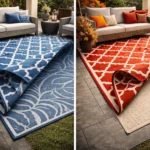
There’s an assumption that functional materials are boring. Polypropylene mats contradict this. Modern manufacturing allows for geometric patterns, contemporary designs, traditional motifs, and custom branding—all while maintaining the performance characteristics that make PP practical. A mat doesn’t have to be utilitarian-looking just because it’s engineered to perform in a demanding environment.
This matters for commercial spaces with design sensibilities. A hotel entrance, upscale retail location, or modern office doesn’t want a mat that looks purely industrial. Polypropylene allows designers and facility managers to integrate flooring solutions that complement interior aesthetics while delivering the durability and maintenance benefits the space actually needs. Performance and appearance aren’t mutually exclusive.
6. Cost-Effective at Scale Without Compromising Quality
Commercial operations buy in volume. A single hospitality chain, retail network, or facility management company might need mats for dozens or hundreds of locations. Polypropylene’s manufacturing efficiency means it scales affordably without a proportional increase in cost per unit. You’re not paying a premium just because you’re ordering in larger quantities.
Beyond the per-unit cost, consider the lifetime value. A polypropylene mat that lasts five years with minimal maintenance will, over that period, cost less per month than a cheaper material that needs replacing every 18 months and requires constant touch-ups in between. Wholesale buyers understand this calculation—they’re comparing total cost of ownership, not just initial purchase price. Polypropylene consistently wins that comparison.
7. Complies with Health and Safety Standards
Commercial spaces operate under health codes and safety regulations. Polypropylene mats meet and often exceed these standards. The material doesn’t harbor bacteria in ways that could become a contamination concern in food service or healthcare settings. It’s safe for areas where slip resistance matters—the surface provides adequate grip under normal conditions while still allowing easy cleaning.
For facility managers and architects selecting materials for public-facing spaces, these compliance characteristics remove a layer of concern. There’s no question whether the mat meets standards; polypropylene’s track record across thousands of commercial installations provides that certainty.
The Practical Choice for Decision-Makers
When you remove the marketing language and look at what commercial spaces actually need—durability under constant use, resistance to moisture and stains, easy maintenance, design flexibility, cost efficiency, and regulatory compliance—polypropylene emerges as the practical answer. It’s not the flashiest choice, and it doesn’t need to be. It’s the choice that works quietly and reliably day after day.
Different commercial spaces have different requirements, which is why exploring your specific mat collection and options matters. Whether you’re specifying mats for a single location or managing procurement across a multi-property operation, the right polypropylene solution should match the specific demands of the space. Take time to understand your foot traffic patterns, environmental conditions, and design priorities before deciding. The right mat makes a difference that compounds across months and years of use.
Sapana Mats has been manufacturing high-performance polypropylene mats for commercial applications across diverse industries for years, serving everything from retail chains to hospitality properties. We understand what these spaces require because we’ve worked with the teams managing them. If you’re evaluating options for your commercial environment, we invite you to explore our range of commercial floor mat styles and options, designed specifically to perform in real-world commercial conditions. Our team understands the decision you’re making and can help you find the right solution for your operation.
For businesses and teams operating at scale, the experience and production infrastructure matter too. Sapana Mats delivers across 25+ countries and handles large-scale orders with the precision that commercial operations require. If you’re managing procurement across multiple locations or looking for a partner who understands both the technical and operational sides of commercial flooring, our global reach and manufacturing expertise demonstrate the kind of reliable partnership that supports long-term success.