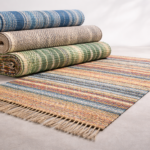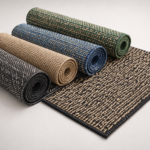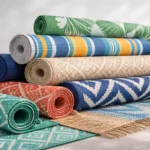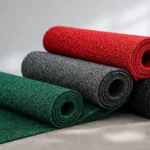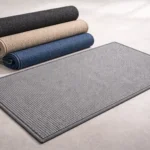
DIY Outdoor Spaces: How Polypropylene Mats Transform Patios and Balconies
Your outdoor space has potential. Maybe it’s a tiny apartment balcony that’s currently just bare concrete and forgotten plant pots. Or perhaps it’s a patio that looked great five years ago but now feels tired and dated. Either way, you’re probably scrolling through Instagram or Pinterest, seeing those gorgeous outdoor setups, and thinking “I can’t afford that.”
Here’s the secret those beautiful outdoor spaces aren’t telling you—many of them started with simple, affordable upgrades. Polypropylene mats have become the go-to solution for people transforming outdoor areas on a budget. They’re weather-resistant, easy to clean, and honestly transform a space faster than you’d believe. I’ve seen balconies go from “college apartment” to “magazine-worthy” in an afternoon with the right mat and some basic styling.
Why Polypropylene Works Where Other Options Fail
Traditional outdoor rugs have problems. Fabric rugs get gross when wet and take forever to dry. They grow mildew, fade in the sun, and basically need replacing every season. Carpet tiles are better but still hold moisture and can be pricey. Polypropylene mats solve all these issues without breaking the bank.
The material is naturally water-resistant, so rain isn’t a disaster. Spilled drinks wipe right up. Morning dew doesn’t soak through to create a moldy mess underneath. If your balcony or patio gets full sun, you don’t have to worry about the colors bleaching out after one summer. This durability means your outdoor upgrade actually lasts.
Design Ideas That Actually Work
The beauty of polypropylene mats is their versatility. You can create distinct zones on a large patio—a dining area here, a lounging spot there. For small balconies, one well-placed mat instantly makes the space feel intentional and put-together instead of like an afterthought.
Layering is trending right now in outdoor design. Start with a larger neutral mat as your base, then add smaller accent pieces on top. Throw in some outdoor cushions, maybe a small side table, and suddenly you’ve got a whole vibe going. The mat anchors the entire setup and makes everything else look more intentional.
Color choices matter more than you think. Lighter mats make small spaces feel bigger and brighter. Darker colors or patterns help hide dirt between cleanings, which is practical if you’re actually using your outdoor space regularly. Patterned mats can disguise less-than-perfect concrete or decking underneath.
Practical Benefits You’ll Actually Appreciate
Beyond looking good, polypropylene mats solve real problems. That concrete balcony that’s freezing under your feet? A mat adds cushioning and warmth. Rough, splintery decking that’s seen better days? Cover it up while you save for proper repairs.
For renters, this is huge. You can’t renovate a rental patio, but you can absolutely improve it with temporary solutions that make the space usable. When you move, roll up the mat and take it with you. Quality manufacturers create mats that hold up through multiple homes and years of use.
Families with kids or pets particularly appreciate how forgiving these mats are. Juice boxes get spilled, muddy paws track across everything, toys scatter everywhere—polypropylene handles it all. Hosing down the mat becomes part of regular outdoor maintenance, not some special ordeal.
Weather Considerations and Regional Differences
One question I hear constantly: “Will this hold up in my climate?” The answer is yes, regardless of where you live. Polypropylene performs well in hot, sunny climates and cold, wet ones. Homeowners in the US use these mats from Florida’s humidity to Minnesota’s harsh winters. European customers deal with everything from Mediterranean heat to Northern European rain, and the mats hold up fine.
The key is proper installation and care. Make sure water can drain underneath rather than pooling. In very windy locations, secure the corners—though most quality mats have enough weight to stay put. During extreme weather, you can roll them up and store them, but honestly, most people just leave them out year-round.
Getting Started with Your Transformation
Measure your space before shopping. Sounds obvious, but you’d be surprised how many people eyeball it and end up with mats that are too small or awkwardly sized. Consider furniture placement—you want your seating to sit comfortably on the mat, not half on, half off.
Think about your lifestyle too. If you’re hosting outdoor dinners, prioritize easy cleaning over intricate patterns that might show stains. If the space is mainly for your morning coffee routine, focus on comfort and aesthetics. There’s no wrong choice here, just different priorities.
The transformation doesn’t happen all at once, and that’s okay. Start with a quality mat as your foundation, then add elements over time as your budget allows. The mat itself makes such a dramatic difference that even if it’s the only upgrade you make, the space will feel completely different.