What Are Polypropylene Mats? A Practical Look at PP Floor Mats
Polypropylene mats are plastic floor coverings that have quietly taken over commercial entryways, home mudrooms, and just about anywhere people need something that won’t fall apart when it gets wet. The material itself—polypropylene, or PP for short—is a type of plastic that’s lightweight, doesn’t soak up water, and can handle a beating. Walk into most gyms, office lobbies, or even your neighbor’s garage, and you’re probably stepping on it.
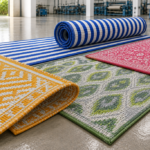
What’s kept polypropylene relevant isn’t some marketing push. It’s that the stuff just works. Natural fiber mats look nice, sure, but they get moldy, hold onto smells, and take forever to dry. PP mats don’t have that problem. Spill coffee on one, wipe it up, and you’re done. For anyone browsing different mat styles and trying to figure out what actually makes sense, this is usually the deciding factor—less hassle, longer life.
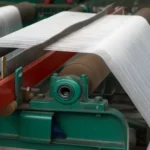
The way these mats get made matters more than you’d think. Polypropylene starts as pellets that get melted and extruded into fibers. Those fibers can be woven tight, tufted into loops, or punched through a backing to create texture. That’s how you end up with mats that look totally different but share the same core benefits. They don’t fade as fast in sunlight, water rolls right off, and they dry in a fraction of the time compared to cotton or jute. Restaurant kitchens and pool areas love them for exactly this reason—wet doesn’t mean ruined.
One quirk people notice: these mats are light. Pick one up and it feels almost flimsy compared to heavy rubber versions. That’s actually useful for cleaning and moving them around, but it does mean they can slide if there’s no grip on the bottom. Some come with rubberized backing or textured undersides to fix that. Worth checking before you buy, especially if it’s going on tile or hardwood.
The recycling conversation around polypropylene isn’t as clean-cut as you’d hope. Technically, yes, it can be recycled. In reality, most mat recycling programs don’t exist yet, so a lot of it still ends up in landfills. Some brands are starting to use recycled PP, which helps a bit and doesn’t sacrifice quality. It’s not going to win any eco-awards, but at least the mats last long enough that you’re not replacing them every year.
Where PP mats really earn their keep is in spaces that get hammered—retail stores, schools, hospitals, office buildings. They don’t mat down or fray as fast as softer options, and you can clean them with whatever equipment you’ve already got. For the people specifying materials for big projects, that predictability matters more than whether it feels plush underfoot.
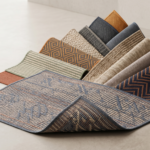
Texture depends on how the mat’s constructed. Tufted ones feel a bit softer and springier. Needle-punched versions are denser, flatter, and hold up better against scraping and dragging. Neither’s objectively better—it just depends what you’re dealing with. What doesn’t change is that polypropylene resists water, chemicals, and general wear better than most alternatives, which means you’re replacing it less often.
If you’re trying to decide whether polypropylene makes sense for your space, think about what you actually need. These aren’t the cozy, luxurious mats you sink your feet into. They’re the ones that do the job without complaining—day in, day out, rain or shine. That reliability is why they keep showing up everywhere from hotel lobbies to industrial warehouses. Knowing what the material handles well, and where it falls short, makes the choice a lot easier. And if you’re curious how these things are actually built and customized for specific uses, looking into the manufacturing capabilities gives you a better sense of what’s achievable.